Chairs & Seating
Indoor Hanging Chairs: What to Check Before You Hang One
A hanging chair is one of the few pieces of furniture that changes how a room feels just by existing in it. Here's what actually differs between the styles, and what your ceiling needs to be able to take.
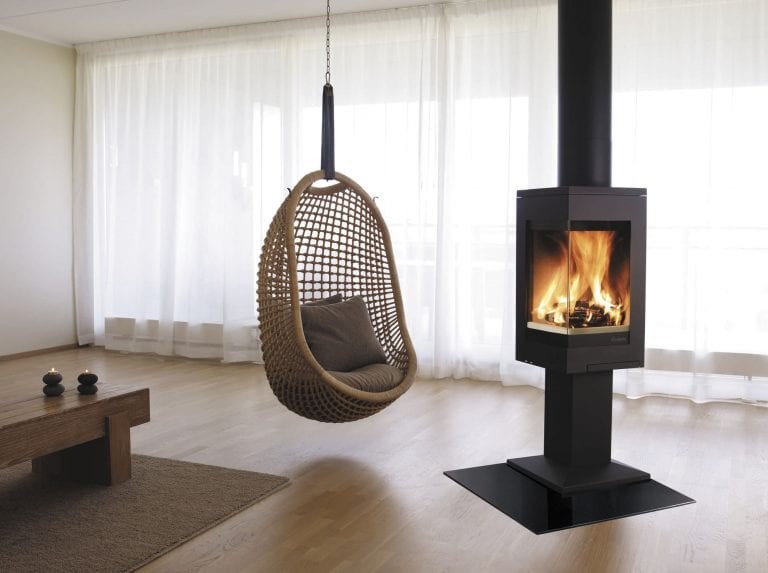
A hanging chair sits somewhere between a piece of furniture and a small design statement. Done well, it turns a spare corner, a bay window or an awkward nook into the most-used seat in the room — with a gentle swing that a fixed chair simply can't offer.
Hammock chairs vs. egg (basket) chairs
Hammock chairs hang from a single point but keep a proper chair-like shape rather than the open sling of a full hammock, so there's no risk of rolling out — you sit up, lean back or curl your legs up, and get back out easily. Egg or basket chairs take that a step further with a fully enclosed woven or rattan shell around a cushioned seat — more cocoon than chair, and usually the better pick if you want somewhere to properly disappear with a book (see our broader guide to what actually makes a good reading chair if that's the goal).
What the ceiling actually needs
This is the part people underestimate. A hanging chair needs a genuinely secure fixing point — a ceiling joist located and used properly, not just a plasterboard anchor — rated for the chair's stated weight capacity plus the person sitting in it. Most quality hanging chairs are rated between 250–350 lbs; check that figure against who'll actually be using it before you buy, not after it's installed. If you don't have a suitable ceiling point, a freestanding metal stand sidesteps the whole problem and lets you place the chair anywhere in the room.
Leave real space around a hung chair — most manufacturers recommend at least 4–5 feet of clearance from walls and obstacles, since the chair needs room to swing without knocking into furniture or a wall. Measure this before you commit to a spot, not after.
Materials and where they suit
- Rattan and wicker — the classic look, warm and textural, works well as a genuine year-round indoor piece.
- Cotton rope — softer, more relaxed, and usually the lightest option to move around.
- Steel-framed designs — sculptural, more of a statement piece, and often the most weather-tolerant if the chair might move between indoors and a covered porch.
A design lineage worth knowing
The hanging chair isn't just a trend-driven category — it has real design pedigree. Dedon's Swingrest collection, designed by Daniel Pouzet, pushed the format into genuine outdoor-living furniture rather than a novelty seat. Studio Stirling's Leaf chair, designed by Joanina Pastoll, took the hand-formed steel-frame approach and turned it into a sculptural piece in its own right. Knowing that history is a useful sanity check when you're shopping — a well-made hanging chair is a genuine piece of furniture design, not just a garden-centre impulse buy. For more chairs with that same standard of real, documented design pedigree, see our pieces on the Wassily chair and the Wishbone chair.
Where they earn their place
A bay window, a spare corner of a living room, a covered porch, or a kids' playroom that could use one genuinely fun seat — a hanging chair works best where it has room to move and a reason to be used daily, not squeezed into a spot where its swing will just be a nuisance.
Worth Considering
NICESOUL Hanging Egg Chair with Stand
A freestanding indoor/outdoor egg chair with its own stand — the straightforward option if you don't have a ceiling point rated for a hanging fixture, or want to be able to move it between rooms.
Check price on Amazon